Beauty
The idea of one perfume for life is officially outdated. People are no longer looking for a single signature scent. Fragrance is emotional at its core, and our emotions are not static. Building a scent wardrobe is the smarter, more personal approach. This is how to actually do it.
Before you spend a cent, learn the five main families: floral, fresh/citrus, woody, oriental, and fruity. These categories tell you everything about a perfume's mood and direction.
Most people gravitate toward two or three. Knowing yours saves you from buying five bottles you end up hating.
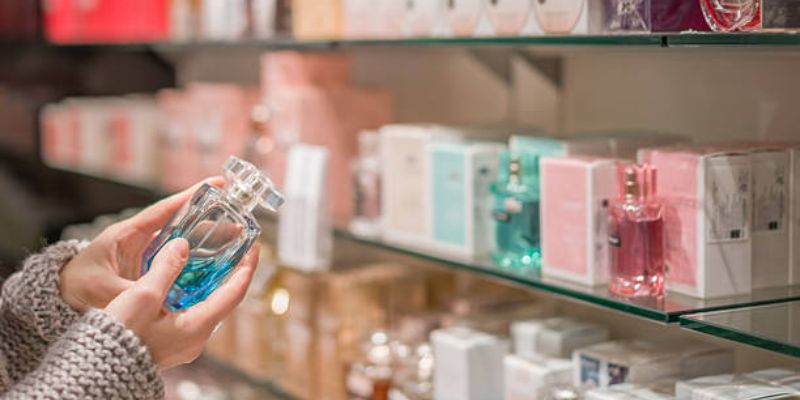
Every perfume has different layers called notes that shape how it smells from the first spritz to the final dry-down.
Top notes are what you smell first. They are light and bright, and usually fade within the first 15 minutes. Middle notes form the core of the scent and last for a few hours. Base notes linger the longest.
Never buy a fragrance based on the opening alone. Give it at least two hours.
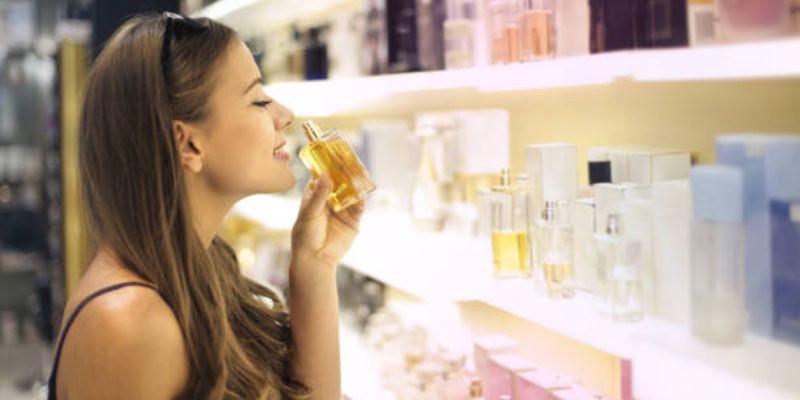
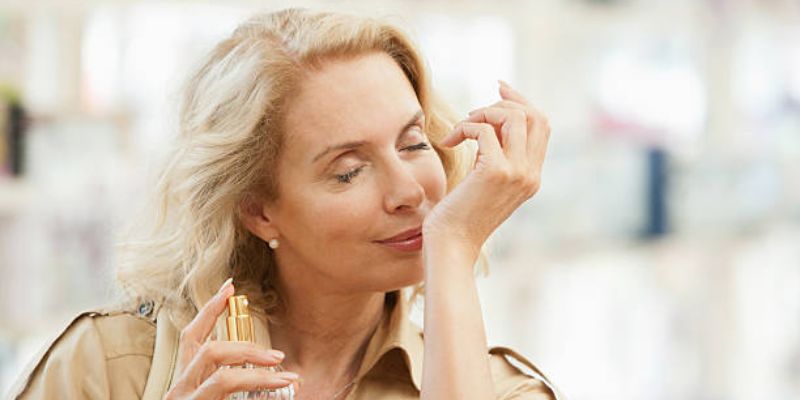
This one trips people up constantly. The instinct is to walk into a store, spray something on a paper strip, and buy the full 100ml bottle. That is how you end up with a shelf of regrets.
Discovery sets from brands like Phlur, Le Labo, or Maison Margiela let you wear a scent for days before committing. Your skin chemistry changes everything.
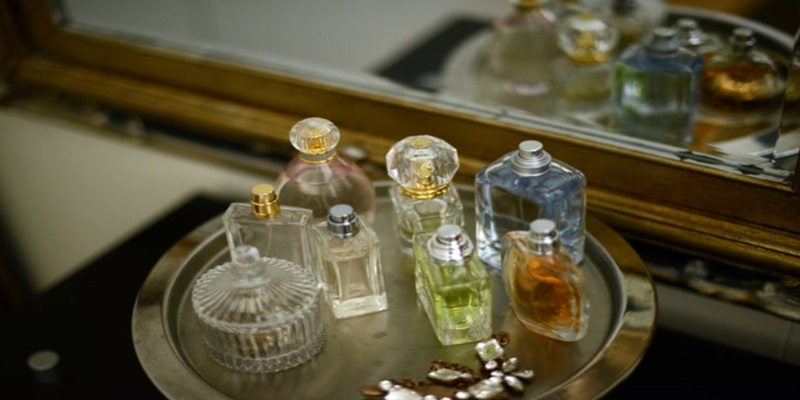
Building a scent wardrobe is like building a closet. You want a few everyday basics, polished staples, and standout pieces for big moments.
A practical starting structure: one daytime scent, one office-appropriate scent, one evening scent, and one special-occasion bottle. That is genuinely all you need at first.
Your everyday fragrance needs to be easy. It should not demand attention or linger aggressively in a shared space. Fresh citrus scents, green florals, and soft musks work well here. Think of it the way you think about a clean white shirt. It works with almost everything and offends no one.
Office fragrances have one unspoken rule: project inward, not outward. You want something that a colleague might notice when they lean in to speak to you, not something that announces you before you enter the room.
Soft woody notes, clean musks, and quiet ambers are ideal. Concentration matters here too. An Eau de Toilette [1] often sits better in a professional setting than a full Eau de Parfum.
Evening scents are where you can have actual fun. Cool and chilly evenings call for rich scents with amber and spice notes to create a sense of warmth and depth.
Oriental blends, oud-based fragrances, and deep gourmands work well after dark. They project further and last longer, which is exactly what you want when the lights are low.
Your fragrance wardrobe should shift with the weather. Light florals and fresh citrus fragrances work well in warmer months, while autumn and winter call for earthy and woody base notes. You do not need to buy new bottles every season. Often you already own something that suits summer and something that suits winter. The rotation just needs to be intentional.
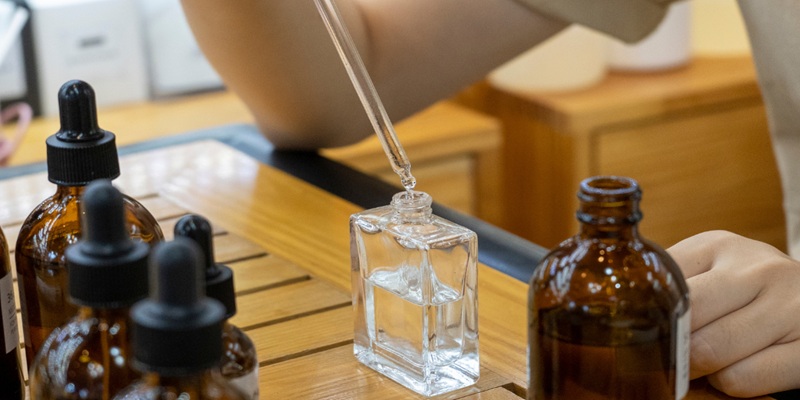
This is where a small wardrobe starts doing the work of a large one. Layering means applying two scents in sequence to create something that does not exist on its own. The technique involves starting with your richest, most tenacious fragrance first, typically a woody, musky, or oriental accord directly onto skin, then adding a floral, fruity, or gourmand scent on top to interact with the base rather than compete. Two or three layers are plenty.
Fragrance layering has migrated from Middle Eastern perfume culture into global mainstream practice, driven heavily by TikTok and social media, with Gen Z in particular building collections rather than chasing a single signature scent. Brands like Kayali and Chanel have both launched layering-specific products in response to this shift. [2]
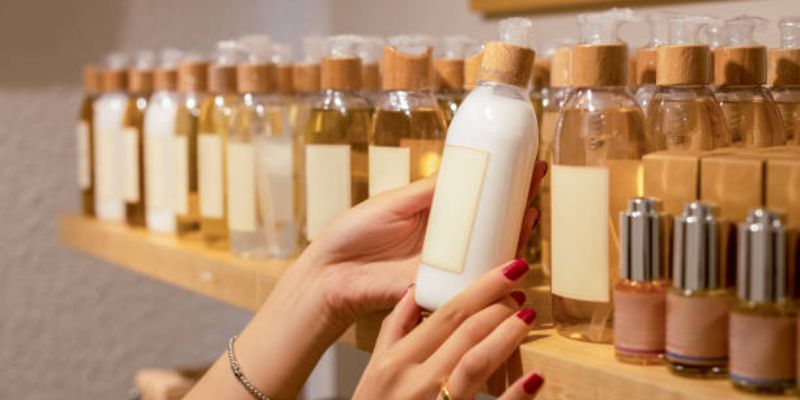
Layering does not have to mean two perfumes. A scented body lotion or oil from the same fragrance family as your perfume extends longevity and adds depth without any extra spraying.
This is especially useful for lighter Eau de Toilette formulations that tend to fade quickly. The moisturized skin underneath also holds fragrance far better than dry skin.
Consumers increasingly select fragrances based on their desire for specific emotional experiences, from energizing morning spritzes to calming evening scents.
Think about the version of yourself you are dressing for on a given day. High-energy and social calls for something bright. Focused and internal calls for something quiet. The fragrance wardrobe is essentially a mood toolkit you reach for each morning.
The prestige perfume market grew 12% in 2025, driven by consumers engaging with scent as a form of self-expression. That also means there are more options at more price points than ever.
Brands like Zara, Armaf, and Dossier offer versions of luxury-style fragrances at a fraction of the cost, giving you room to experiment before committing to a $200 bottle. Build slowly. Buy only what you actually reach for.
A fragrance wardrobe should grow with you. Pull everything out twice a year, smell each one, and be honest about what you actually wear. If something has been sitting untouched for six months, it is not really part of your wardrobe.
Sell it, gift it, or repurpose it for home use. The goal is a small, intentional collection you rotate regularly, not a museum shelf.
Start with three bottles: one daytime scent, one evening scent, and one that layers well with both. From there, your scent wardrobe builds itself through genuine use and experimentation. The most compelling fragrance wardrobe is not the largest one. It is the one that actually matches who you are across different versions of your day.
References
[1] Eau de Toilette vs. Eau de Parfum guide - https://eightandbob.com
[2] How Layering Transformed the Fragrance Market - https://businessoffashion.com
Beauty
Beauty
Beauty
Beauty
Beauty
Beauty