
Beauty
Perfume used to announce you before you walked into the room. That era is fading. In 2026, the fragrance everyone is reaching for does the opposite. It pulls people closer.
Skin scents, those soft, intimate compositions built on clean musks, airy florals, and barely-there woods, are no longer niche. They are the dominant force in a global fragrance market projected to reach $64.47 billion in 2026. Here is exactly why that is happening.
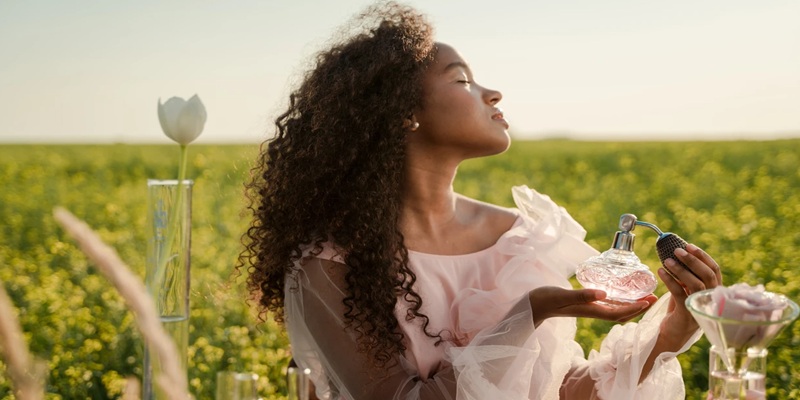
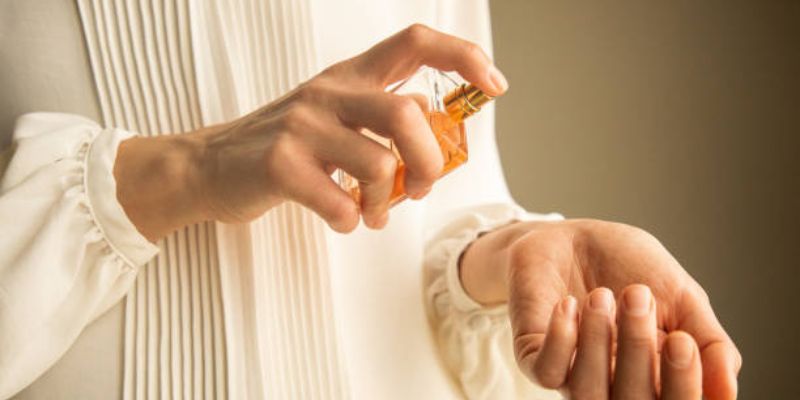
A skin scent does not project. It clings, softly, to the wearer, warming on contact and shifting subtly with body heat throughout the day. These compositions typically use clean musks, soft woods, and subtle florals that feel like a natural extension of your body chemistry.
The effect is less "I'm wearing perfume" and more "I just smell incredible." Glossier You is probably the most referenced example and the one most people have an opinion about, either adoration or total bewilderment.
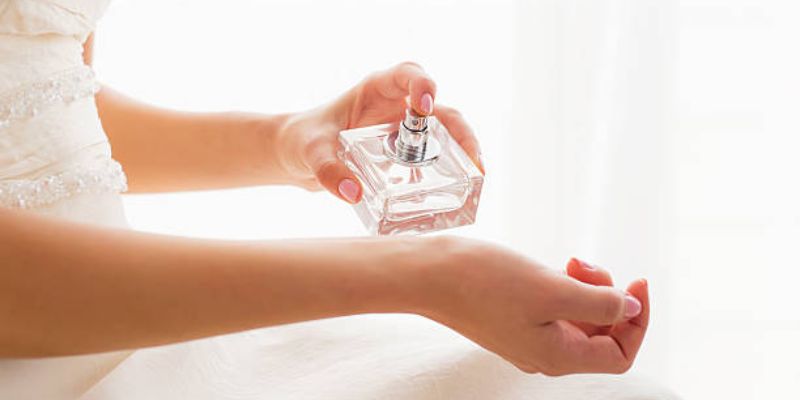
The quiet luxury aesthetic that overtook fashion in 2024 and 2025 has officially reached fragrance. Loud projection now reads as effort in the wrong direction.
Almira Armstrong, founder of Atelier Lumira, says people are "gravitating toward scents that feel like an extension of themselves rather than something they put on." The phrase circulating in fragrance circles is "you but better," and that phrase is doing a lot of heavy lifting right now. Wearing a skin scent in 2026 is its own kind of flex.
There is a real cultural explanation underneath all of this. Fragrance expert Kudzi Chikumbu put it plainly: people are craving real-life connection and physical intimacy, and fragrance has become the bridge. After years of video calls, curated online personas, and screen-mediated everything, people want something that only works in physical proximity.
A skin scent rewards closeness. You have to be near someone to smell it. That is not an accident.
The beauty industry's obsession with skincare has jumped lanes. DSM-Firmenich Fragrance Developmental Manager Rachael Larsen says fragrance in 2026 "will continue moving closer to skincare, with the ongoing skin-ification of scent and the introduction of hydrating benefits."
Products like NOYZ MYLK offer the intensity of an eau de parfum in a milky serum format. Bella Hadid's Orebella line is alcohol-free and bi-phase, combining fragrance with actual skincare actives. Consumers now expect their perfume to do more than smell good.
This is not just a vibe. Data from the NewNextNow Barometer, conducted across 14 countries with 12,000 respondents, found that 80% of consumers choose perfumes that enhance their emotional state, and 50% are interested in fragrances linked to a physical or wellness benefit.
That number explains a lot. When your purchase decision is driven by how something makes you feel rather than how far it projects, you will naturally gravitate toward something intimate and skin-close.
According to Spate's global beauty insights report, fragrance searches on Google and TikTok have grown 26.5% year over year. [1]
The type of content driving those numbers is revealing. "Compliment getter" videos, what to wear when you want someone to lean in, fragrance layering routines shot in morning light, skin scents recommended for dates, these formats dominate.
TikTok's algorithm rewards intimate content, and intimate fragrance performs well in it. The category and the platform are genuinely well matched.
Layering is not new, but it is now standard practice rather than enthusiast behavior. Layering fragrances has become the standard, leading to a growing overlap between fragrance and body care scents.
When you stack a scented body oil under a musk-forward perfume and finish with a hair mist, the total effect is complex but never overwhelming. The result is distinctly skin-close. People who would never have described themselves as "skin scent people" have arrived there through layering without realizing it.
The idea of scent being strictly "for him" or "for her" continues to fade, with more brands prioritizing gender-neutral signatures that adapt to individual skin chemistry. This matters for skin scents specifically because the category has always been more fluid than, say, a woody fougère or a classic feminine floral. Musks and soft woods do not carry strong gender associations.
That openness has pulled in shoppers who previously felt alienated by the heavy-handed masculine or feminine framing that defined the mainstream market for decades.
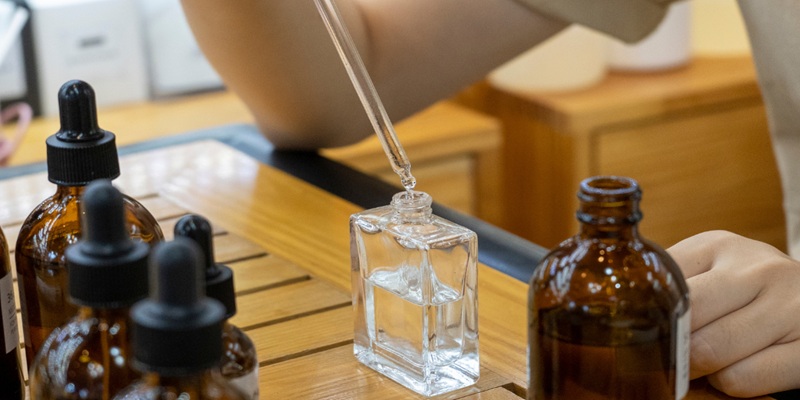
There is a technical reason why the current wave of natural and biotechnology-forward perfumery aligns so well with skin scents.
Master perfumer Isaac Sinclair of Abel says "natural formulas tend to evolve more beautifully on the skin" because "they feel alive."
Synthetic heavy fragrances project consistently because they are engineered to. Natural musks, orris butter, ambergris-like molecules, and plant-derived isolates behave differently. They shift. They soften. They become something slightly different on each person. That is the exact quality skin scent lovers are paying for.
Fragrance has merged with the wellness category in a way that directly benefits soft, skin-close compositions. Perfumes designed to influence mood, whether calming, energizing, or confidence-boosting, are gaining attention, blending neuroscience with scent and turning fragrance into part of a self-care ritual. [2]
Lavender-musk blends, bergamot-forward compositions, and barely-there florals work in a wellness context in a way that a dense oud or a projecting chypre simply does not. The wellness shopper, who may have never bought fine fragrance before, is now the skin scent customer.
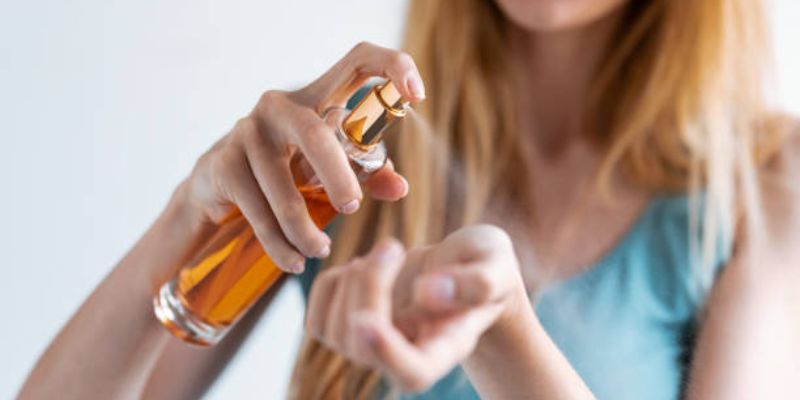
If you want to start here, Glossier You remains the reference point for good reason. For something with more depth, Commodity Milk sits beautifully on warm skin with its lactonic musk base.
Henry Rose released a new skin scent in early 2026 that has been earning real attention. Sidia's solid perfume compacts in Braless and Soaked deliver exactly what the name implies: something skin-close and personal enough that only the right people smell it.
None of these are cheap, but none are outrageous either. The mid-luxury skin scent sits roughly between $65 and $150, which is where the category has found its sweet spot with repeat buyers.
Fragrance is forecast to drive 23% of total beauty growth between 2024 and 2029, growing at a 5.5% CAGR according to Euromonitor. [3]
That growth is not coming from heavy, statement-making compositions. It is coming from people buying multiple bottles for different moods, layering formats into daily routines, and treating fragrance as skincare. Skin scents sit at the center of all three behaviors. The trend is not peaking. It is still building.
The best entry point for skin scents is exactly where you already are. If you have been reaching for a lotion that people keep asking you about, that is the instinct worth following. Lean into it, find a musk or a soft wood that reads like warmth on your skin, and stop looking for something that announces itself across the room. That era is done. The fragrance conversation in 2026 is happening at close range.
References
[1] Fragrance Trends 2026 - https://www.marieclaire.com
[2] What's Shaping the Future of Scent - https://www.mairfragrance.com
[3] The Fragrance Trends Set to Define 2026 - https://beautymatter.com
Beauty
Beauty
Beauty
Beauty
Beauty
Beauty