
Beauty
Wondering exactly how long perfume lasts before losing its magic? Nothing is more disappointing than spraying your signature scent only to smell sour alcohol. Let us explore the ultimate guide to maximizing your fragrance shelf life with proven storage hacks. Keep reading to save your favorite bottles!
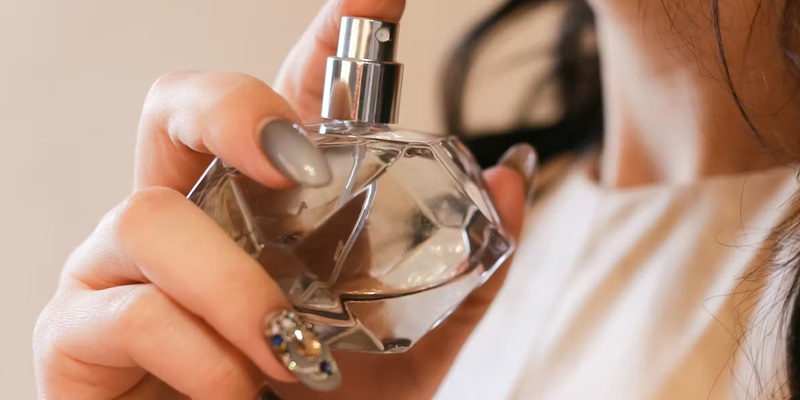
Unlike the milk in your refrigerator, a luxury fragrance does not come with a strict expiration date prominently stamped on the bottle. However, perfumes absolutely do expire.
According to the U.S. Food and Drug Administration, the shelf life of cosmetics—including fragrances—is not strictly regulated by law, meaning it is largely up to manufacturers and consumers to monitor product degradation. So, how can you effectively tell if your beloved scent is past its prime?
The first vital indicators are usually visual. Inspect the liquid inside the bottle carefully under natural light. If your once-pristine golden juice has oxidized into a murky brown syrup, or if the previously clear fluid has developed a cloudy, thick opacity, the chemical composition has likely broken down.
Always trust your nose. The olfactory signs of a spoiled fragrance are unmistakable and frankly, unpleasant. Typically, the delicate top notes—such as bright citruses, crisp greens, or sheer florals—are the very first to degrade.
Instead of a crisp, refreshing opening, an expired perfume might greet you with a sharp, sour blast that smells remarkably like household vinegar.
Others may quickly develop a harsh metallic aroma or a flat, stale scent that completely lacks the nuanced depth of the original aromatic profile.
Once the essential oils oxidize and the delicate balance of the formula collapses, the scent is irrevocably compromised.
Some perfumes simply last longer than others, and their foundational ingredients largely determine their life expectancy.
If you have ever wondered why some scents seem to last a lifetime while others lose their luster in mere months, the secret lies hidden within the fragrance families themselves.
Heavy base notes, such as rich woody elements, earthy patchouli, and warm amber accords, are renowned for their impressive molecular stamina.
Because these heavier chemical compounds evaporate much more slowly, dense profiles often age beautifully, much like a fine vintage wine.
In fact, unopened bottles of heavily base-noted oriental perfumes can easily retain their aromatic integrity for up to 10 years, sometimes even developing a deeper, more intoxicating complexity as they mature.
Volatile top notes are notoriously fragile. Fragrances that lean heavily on bright, zesty citrus extracts, delicate florals, or crisp green notes tend to oxidize quickly due to their lower molecular weight.
These sprightly components are the first to degrade, often turning sour or flat shortly after exposure to ambient oxygen. Consequently, industry experts state that the average lifespan of most commercial fresh fragrances is 3 to 5 years from the moment they are first sprayed.
Even the most meticulously crafted, heavy-hitting amber fragrance will succumb to the elements if stored under poor conditions.
There's a simple rule for storing perfume, but people often forget it: avoid direct sunlight, drastic heat fluctuations, and pervasive humidity at all costs. Ultraviolet rays and heat break down the delicate molecular bonds in perfume oils, accelerating oxidation and irrevocably altering the scent profile.
And this leads to a very common mistake many people make: storing perfume on your bathroom vanity. The daily barrage of hot steam and fluctuating temperatures from your morning shower makes the bathroom the absolute worst place to display your collection. Humidity acts as a catalyst for chemical breakdown, ensuring your expensive signature scent will spoil long before its time.
A lot of people also believe storing perfume in the kitchen fridge helps it last longer. While keeping perfumes cold might sound logical for preservation, a standard kitchen refrigerator is far too cold and often harbors pungent food odors that can infiltrate the bottle. Moreover, the constant opening and closing of the fridge door introduces the very temperature swings you desperately want to avoid. If you prefer chilled storage, investing in a dedicated cosmetics fridge or a small wine cooler set to a stable 50 to 60 degrees Fahrenheit is a far superior solution.
The most reliable storage method requires no electricity. Consider the story of a vintage bottle of a classic Chanel fragrance, discovered decades after it was originally purchased. Because the owner had tucked it away securely in its original box within a dark, climate-controlled dresser drawer in a temperate bedroom, the juice inside remained remarkably pristine.
Shielded from light and volatile weather, the perfume retained its complex aldehydes and lush florals, smelling just as vibrant as the day it left the boutique. By mimicking these exact conditions—cool, dark, and dry—you can add years to your collection's lifespan.
When investing in a signature scent, understanding how different concentrations age is just as crucial as loving the fragrance profile itself.
To maximize your investment, you must navigate the complex choices between Eau de Toilette (EDT), Eau de Parfum (EDP), and Extrait de Parfum, paying close attention to their inherent shelf stability.
It is a common misconception that a higher concentration of fragrant oils automatically guarantees a longer-lasting scent in your bottle on your vanity.
The alcohol within your fragrance acts as a highly effective preservative. Because alcohol is a volatile solvent, it stabilizes the delicate essential oils and prevents rapid oxidation. Therefore, an Eau de Toilette or Eau de Parfum—which contains a higher percentage of alcohol relative to perfume oils—often boasts a more robust shelf life than a pure Extrait de Parfum.
While an Extrait delivers an incredibly rich olfactory experience, its lower alcohol content makes its precious oils more prone to oxidation if not stored properly. The International Fragrance Association emphasizes that the precise alcohol-to-oil ratio is fundamental not only for consumer safety but for maintaining the structural integrity of the aromatic compounds over extended periods.
Beyond concentration, the scent family significantly dictates longevity. Citrus, aquatic, and fresh green notes are notoriously volatile and prone to rapid degradation.
If you are captivated by a zesty bergamot or a crisp sea-salt marine fragrance, resist the temptation to supersize your purchase. Instead, opt for smaller, 30ml bottles rather than the standard 100ml. This practical strategy ensures you can enjoy the perfume at its absolute peak freshness before the delicate top notes begin to flatten or sour.
If you prefer heavier, resinous fragrances dominated by woods, ambers, and musks, you have considerably more leeway. These base-heavy ingredients are inherently stable and often deepen gracefully over the years. When shopping for these richer profiles, it pays to invest in heritage brands and artisanal houses renowned for their highly stable, meticulously crafted base formulations.
Taking the time to evaluate both the concentration and the dominant scent family will ultimately save you money and prevent future disappointment.
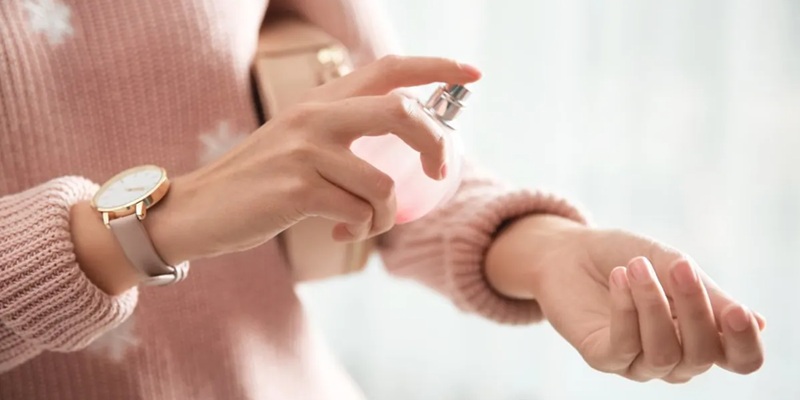
Stop letting premium fragrances go to waste on sunny windowsills. By thoroughly understanding your fragrance shelf life and implementing these proper storage techniques, you can comfortably enjoy every last drop of your signature scent. Apply these practical habits today to protect your valuable investments from premature oxidation.
Beauty
Beauty
Beauty
Beauty
Beauty
Beauty