


Beauty
Your scent is the one accessory people notice before they see your face. Getting it right is not about luck. It is about understanding how fragrance is built and making deliberate choices that mirror who you actually are.
The good thing is, creating a custom fragrance is no longer reserved for Paris perfumers or luxury clients spending thousands. Here is exactly how to do it.
Before you touch a single bottle, sit with your preferences. Think about the environments you feel most at home in: forests, beaches, bookstores, spice markets. Your sense of smell is a powerfully evocative aspect of who you are, and you are generally attracted to certain fragrance types, often knowing with a flash of emotion or nostalgia when you find one that fits.
Write down five scents from memory that have made you pause. What they have in common is your personality in aromatic form. This exercise costs nothing and saves you from wasting money on trials that were never going to work.

Every perfume is built in three layers, and you need to understand all three before blending anything. The fragrance pyramid comprises top notes, middle notes, and base notes.
Top notes are lighter and fresh, lasting around 5 to 20 minutes. Middle notes make up around 65 to 70% of the overall fragrance architecture. Base notes are the grounding layer, rich and long-lasting, potentially lingering for over 6 hours on skin.
Top notes are your first impression. Middle notes are your true character. Base notes are your signature. A custom fragrance that reflects your personality needs all three working together, not just a single scent you liked at a counter.
There are four primary fragrance families: Fresh, Floral, Woody, and Spicy. Choosing the wrong family is the most common mistake people make when attempting a custom perfume blend.
Fresh and citrus notes work well for energetic, outgoing personalities. Florals suit those who lead with warmth and openness. Woody notes land better on people with grounded, confident natures. Spicy, oriental accords fit bold, sensual personalities who prefer to leave an impression that lasts long after they leave the room.
Studies show that 55% of U.S. consumers want to try personalized fragrance blends, and 61% of UK fragrance users already choose to wear different scents, signaling a clear move away from mass-market products [1]. Picking your family is the first step toward a scent that actually belongs to you.
Now comes the part most people skip: choosing specific notes within your fragrance family. A woody signature scent, for example, could mean sandalwood and vetiver for warmth, or cedarwood and patchouli for something earthier and darker.
Top notes typically include bergamot, lemon, and mint. Middle notes lean floral, spicy, or fruity, with jasmine, rose, and cinnamon being common. Base notes provide lasting depth through sandalwood, vanilla, and musk.
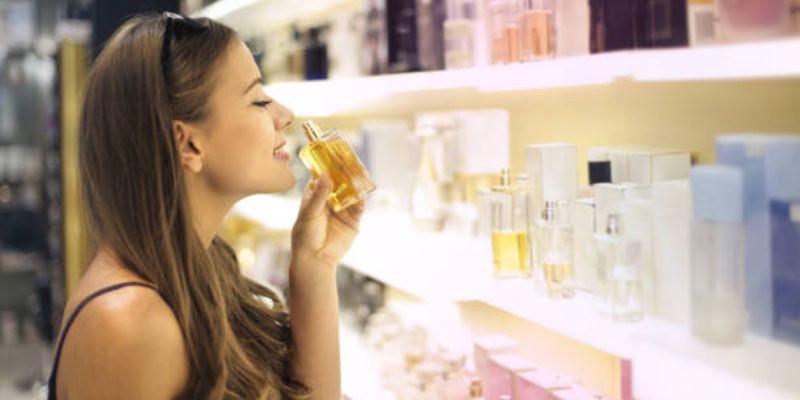
Keep a small notebook. Smell things individually on blotter strips, not combined. Your nose needs at least 15 minutes of rest between testing different combinations or everything starts to smell the same.
This is where it gets technical in a satisfying way. You are not trying to add everything you love into one bottle. Expert perfumers blend notes in specific ratios, typically about 30% top notes, 50% middle notes, and 20% base notes, to allow a graceful unfolding of scent over time.
If you want a lighter, daytime scent, push more weight into the top notes. If you want something heavy, evening-appropriate, and intense, invert the ratio and let base notes carry the blend. Start with carrier oil or perfumer's alcohol before combining your chosen essential oils, and always build slowly.
Here is something most fragrance guides leave out: the same blend can smell completely different on two people. Your skin's pH, temperature, and natural oils all change how a custom fragrance develops. A sandalwood-heavy blend that smells rich and warm on one person can smell flat and powdery on another.
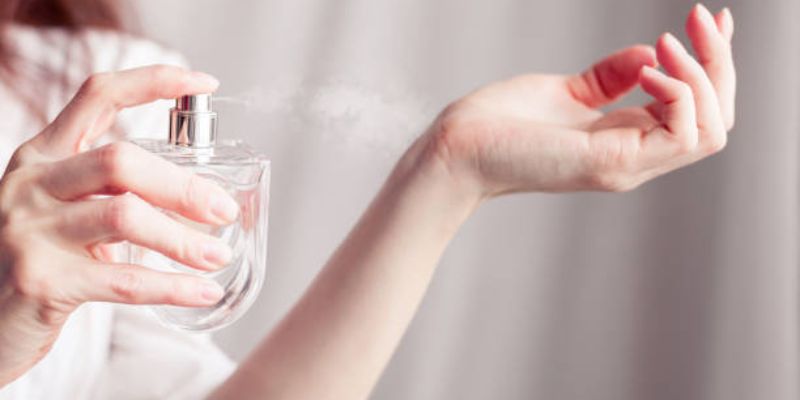
Test your blend on your inner wrist, not on paper. Give it 30 minutes to settle before making any judgment. What you smell in the first few seconds is just the top notes burning off. The middle layer, which reveals your actual character, does not arrive until the opening clears.
Artificial intelligence is reshaping how custom fragrance is built. Tools like Givaudan's MoodScentz and Firmenich's EmotiON analyze consumer data to craft fragrances that evoke specific emotions and match individual preferences. Several platforms now let you complete a personality questionnaire that generates a starting formula, which a trained perfumer then refines. It is a faster and less trial-heavy way to get close to your ideal blend.
Brands like Elixir and Maison 21G offer this hybrid approach. You answer questions about your lifestyle, mood, and aesthetic preferences, and the output gives you a starting point that is already closer to your personality than anything you would grab off a department store shelf.

Custom fragrance creation does not always mean blending from raw ingredients. Layering two commercially available scents is just as valid and often more accessible. Apply a neutral musk base first, then add your chosen accent on top.
Some combinations that actually work: fresh citrus layered over a clean musk for something professional and sharp; sandalwood over vanilla for something warmer and more personal; a light floral over an oud base for contrast and complexity. The key is starting light. You can always add. You cannot subtract a scent once it is on your skin.
Once you have a blend that feels right, write down the exact formula. This is important. Memory alone will not save your best creation. Note the oils used, the ratios, the carrier, and how it smells at each stage of wear.
Your custom fragrance will evolve with you. Revisit your formula seasonally. A scent that felt right in harmattan heat will not always feel right in cooler months. Treat your signature scent as a living thing, not a finished product [2].
You do not need a perfumer's lab to create a custom fragrance. A few high-quality essential oils, perfumer's alcohol, blotter strips, and a fragrance journal are enough to begin. What matters most is the self-awareness you bring to the process.
Your scent is your invisible introduction. Build it the way you would build anything worth keeping: deliberately, with patience, and with a clear sense of who you are. Start your first blend this week and let the layers do the talking.
References
[1] Fragrance Personalization Trend Stats for 2025 – https://freeyourself.com
[2] How to Create Your Own Signature Perfume – https://sensulafragrance.com
Beauty
Beauty
Beauty
Beauty
Beauty
Beauty