

Beauty
Your scent is the one thing people remember about you when you leave the room. It shows up before you do and lingers after you're gone. The problem is, most people are wearing the same five bestsellers off the same department store shelf.
Building a signature scent that's genuinely yours takes more than picking a bottle because the packaging looked good. Here's exactly how to do it.
Before you touch a single tester, you need a map. The term "fragrance families" refers to a system used to categorize different scents, and the four top families are gourmand, floral, woody, and fresh. Knowing which family pulls you in is how you stop wandering through a perfume counter feeling overwhelmed and start making intentional choices.
Spend an afternoon smelling within one family at a time. You'll notice patterns in what you keep reaching for. That pattern is your starting point.

Every perfume is built in layers, and understanding this changes everything. Top notes make up roughly 10 to 30% of a blend and form the first impression, middle or heart notes take up 40 to 60% and define the core personality, while base notes anchor the scent and ensure it lasts.
When you choose a signature scent, you're essentially choosing how you want to be introduced, how you want to be remembered mid-conversation, and what you want to leave behind [1]. Think of it like your personal three-act story.
The base is where most people skip straight past, and it's actually the most important layer. Apply a rich, long-lasting base fragrance like musk, oud, or sandalwood first, sprayed close to the skin at your wrists, neck, and chest.
Oud-based fragrances are worth exploring here, especially if you want something that reads as complex and high-end. They tend to have serious staying power and evolve beautifully through the day.
Scent stacking is going to be everywhere in 2026, driven by a growing preference for layered, personalized approaches over relying on a single perfume to do everything. That said, layering randomly is how you end up smelling like a candle shop that caught fire.
Pair fragrances from the same family first: two florals create a lush bouquet effect, while a vanilla-based scent layered with another gourmand feels warm and cozy. Once you're comfortable, mix contrasts, like a woody base with a bright citrus on top.
Keep it to two, maybe three scents. More than that and the signature scent stops being a scent and starts being an experience no one signed up for.
This part isn't talked about enough. Your skin is a live ingredient in the formula. Your personal skin chemistry is that final, unlisted ingredient that makes any combination your own. The same fragrance can smell completely different on two people, which is actually good news.
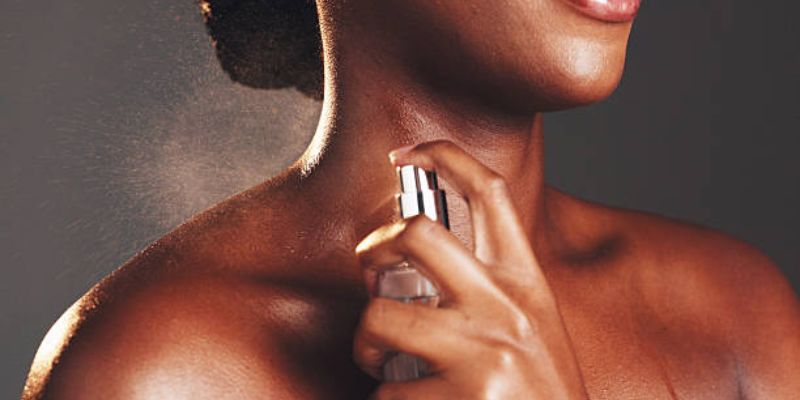
Apply to your pulse points: wrists, the sides of your neck, behind your ears, the crooks of your elbows. These spots run warmer, which activates and diffuses the scent through the day. And never rub your wrists together after spraying; it crushes the top notes and shortens the life of the blend.
Dry skin eats fragrance. It absorbs it quickly and gives it nowhere to go. Hydrate your skin with an unscented moisturizer before layering to create a smooth base that helps each layer settle properly, and avoid applying over overly moisturized skin, as that can also alter how scents develop [2].
Unscented body lotion is your best option here. Anything fragranced will compete with what you're trying to build. The goal is a neutral canvas, then you paint on it.
Most people smell a fragrance and decide in 30 seconds. That's the top note talking, and it fades fastest. Fragrance unfolds over four to eight hours, and testing properly means wearing a scent on skin, not just sniffing a paper strip, because paper shows the fragrance's blueprint while skin shows how it actually wears.
Wear combinations on different days, in different weather, to different places. A signature scent that works beautifully in cool weather can turn sharp and aggressive in heat. You need to know that before you commit to it as yours.
This is the step that separates people who eventually land on something great from people who keep buying bottles and feeling vaguely disappointed. Keep a simple note of the date, weather, and occasion for each combination you try. Patterns emerge quickly, revealing which accords suit your skin chemistry and lifestyle best.
Note what received compliments. Note what felt wrong by noon. Note what you wanted to keep smelling on yourself at the end of the day. That last feeling is the one worth chasing.
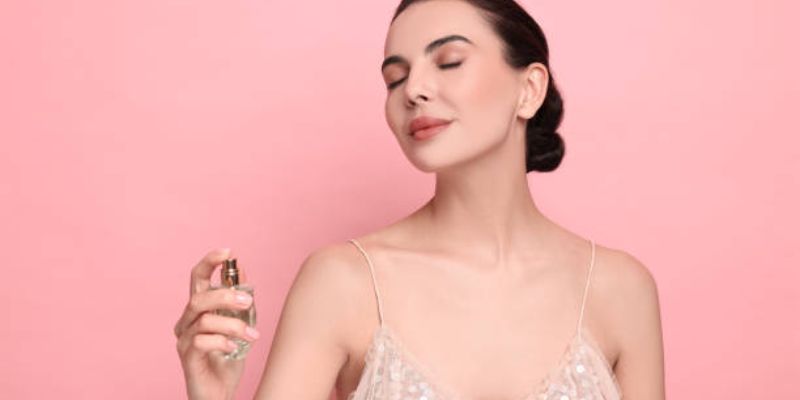
The most sophisticated version of a signature scent doesn't start with a perfume spray. It starts in the shower. Scent stacking can begin with a body wash, layer through a body lotion or oil, and finish with a mix of perfume or perfume oils.
When every layer shares a note or a family, the final result smells deliberate and deep in a way that a single perfume never quite achieves. This is why some people smell expensive when they're not actually wearing anything particularly expensive.
Your signature scent doesn't have to be one fixed thing twelve months a year. It can be a system. Light florals and fresh citrus work in spring, zesty and fruity notes suit summer, earthy and woody base notes fit autumn, and warm vanilla or amber notes carry through winter.
The through-line, your core note or family, stays consistent. What shifts is the supporting layer. That way, people recognize your scent across seasons without it feeling stale or seasonally wrong.
The prestige perfume market grew 12% in 2025, and with that growth came a flood of viral blends circulating on social media. Some of them are genuinely good. Most are designed to photograph well, not to wear well.
A signature scent is personal by definition. If half your timeline is wearing the same viral combination, it's no longer signature anything. Use trending blends as inspiration for notes to explore, not as the destination.
There's a version of this process that takes an afternoon. There's another version that takes three months of sampling, testing, and returning bottles before something finally clicks. Both are normal.
The people who end up with a truly unforgettable, unreplicable personal fragrance are the ones who stay curious long enough to find it. Test widely. Layer slowly. Trust your nose over anyone else's opinion. The right signature scent will feel less like something you discovered and more like something you recognized.
References
[1] How to Choose a Signature Scent (Step-by-Step) – https://snif.co
[2] Beginner's Guide to Fragrance: How to Layer Fragrance – https://storiesparfums.com
Beauty
Beauty
Beauty
Beauty
Beauty
Beauty