Beauty
The scent your grandmother wore to church is now the hottest thing at Sephora. Powdery florals, soft musks, aldehydic classics — the notes once dismissed as "old lady" are dominating shelves, search trends, and TikTok feeds heading into 2026.
This is not a minor aesthetic wobble. It is a full cultural pivot, and it has numbers behind it.
The global fragrance market was valued at USD 58.89 billion in 2025 and is projected to reach USD 89.41 billion by 2033 [1]. That kind of trajectory does not happen without a strong emotional pull — and right now, that pull is nostalgia.
Prestige fragrance is up 8% in the latest sales estimates, while skincare and makeup are declining by 9% and 13% respectively. In a beauty market full of contractions, fragrance is the category doing something right. A large part of that "something" is vintage.
The shift is visible in search behavior too. Fragrance searches on Google and TikTok have grown by 26.5% year over year, with no signs of slowing. A significant share of those searches are people specifically chasing retro scent profiles.
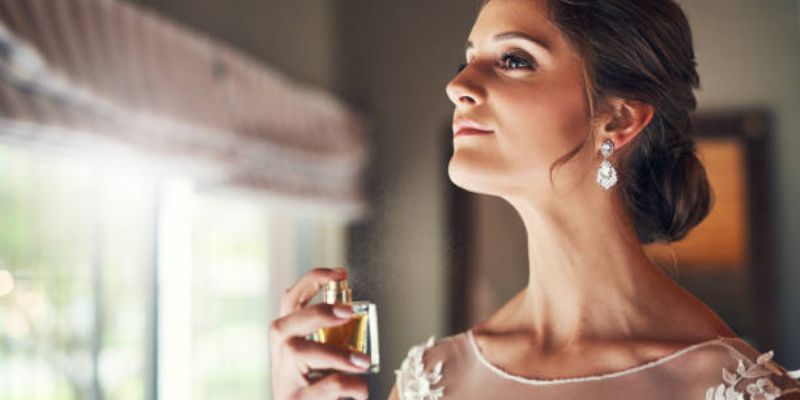
Here is where it gets genuinely surprising. The generation leading the vintage fragrance revival was not alive for most of these scents the first time around.
Sales of classics like Joop! Homme and Calvin Klein Eternity have spiked over 200 to 300% as a new generation discovers them. These are not niche collector items. They are drugstore staples that were left for dead, now flying off shelves because a 21-year-old found them on FragranceTok.
Gen Z's fascination with throwback culture is fueling the comeback of 1990s scents. These perfumes carry emotional and cultural associations, often discovered through older siblings, parents, or social media. There is something oddly moving about that — borrowing someone else's nostalgia and making it your own.
The Fragrance Shop reported 70% year-on-year growth in younger shoppers, while teenage boys' annual spending on fragrances has grown by 44% year-over-year. Boys who would have scoffed at a bottle of Chanel No. 5 three years ago are now hunting for its vintage formulation online.
Vintage fragrance does not mean musty or unwearable. The notes that are trending carry distinct signatures worth knowing if you are trying to buy into this moment.
Powdery florals are the most accessible entry point. Think iris, violet, and mimosa layered over soft musk. Brands are increasingly leaning toward powdery aromas, but these reimagined scents feel much more sophisticated thanks to a blend of contemporary notes. Penhaligon's The Favourite is a good real-world example — violet leaf, iris, mimosa, soft musk. Classic and genuinely wearable, not costume-y.
Aldehydes are the deeper cut. When aldehydes were first popularized by Chanel No. 5, they triggered a revolution in perfumery. Their fresh, clean facet — reminiscent of crisp white linen — is now particularly well positioned to appeal to young consumers discovering them for the first time. If you have never smelled a properly aldehydic fragrance, it is hard to describe: soapy but in an expensive way, bright, a little fizzy. It is an acquired taste that most people acquire fast.
Maximalist scents inspired by the bold compositions of the 1970s and 1980s are also reclaiming shelf space, featuring strong sillage, punchy patchouli, heavy florals, and vintage aldehydes. These are not quiet, office-appropriate fragrances. They announce themselves.
There are a few converging forces worth paying attention to.
One is straightforward emotional comfort. People are searching for scents that evoke happy memories, take them back in time, or make them feel like the put-together adults they associate with classic fragrance notes. In an anxious cultural moment, smelling like something familiar is a small, accessible comfort.
Demand for sensory experiences that spark joy, nostalgia, or calm has continued to grow. Brands are reviving classics with updated formulas and storytelling that tap into "newstalgia" — scent marketing with a retro appeal reimagined for modern tastes. That word "newstalgia" is useful. It describes the exact tension in the trend: people do not want the original experience unchanged, they want the feeling of it filtered through something current.
Social media has also changed how people discover vintage fragrance specifically. On FragranceTok, a single video reviewing a discontinued 1980s scent can send it to a 10,000-person waitlist overnight. TikTok is the top platform influencing Gen Z fragrance purchases at 66%, followed by Instagram at 64%. The discovery loop is faster and stranger than it has ever been.
Not every brand has figured out how to ride this wave without looking opportunistic. The ones doing it well tend to share a common approach: they honor the original without being precious about it.
Chanel No. 5 has maintained its position as one of the best-selling perfumes globally, showing the enduring power of nostalgia and brand heritage. Its signature aldehydic-floral composition still appeals across generations, especially among those drawn to timeless luxury. The lesson there for smaller houses is that authenticity over decades is its own marketing strategy — you cannot manufacture that in a press release.
Phlur's Missing Person fragrance took a different route and still hit. Its marketing positioned it as "the scent of someone you miss," triggering powerful nostalgia through relatable scenarios, which helped the $72 perfume sell out within hours and amass a 200,000-person waitlist. The bottle is not vintage. The emotional architecture is.
Floral Street, Experimental Perfume Club, and niche houses like Boy Smells are doing the same translation work — taking what felt comforting about vintage fragrance and running it through contemporary sensibilities around gender-neutrality, cleaner ingredients, and more honest storytelling.
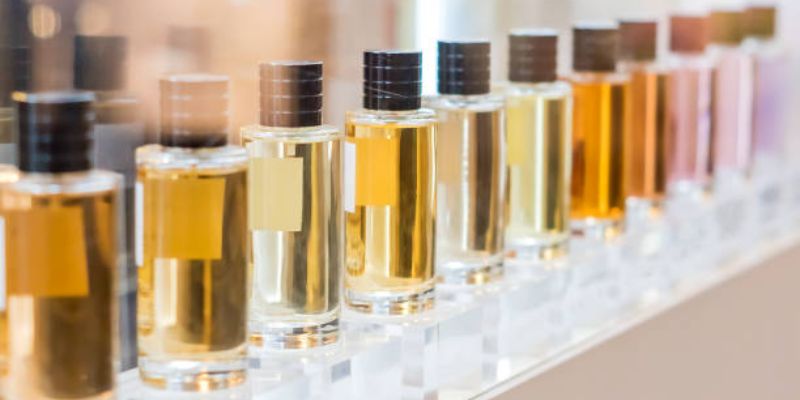
There was a period, not long ago, when calling a scent "powdery" or "old-fashioned" was basically a dismissal. That social calculus has flipped entirely.
Industry experts now describe "granny chic" as one of the biggest fragrance trends of 2026, with what was once considered old-fashioned now considered chic again [2]. The powdery musk that got your aunt mocked at the office in 2015 is now the thing a 23-year-old wears to a gallery opening.
Part of this is the broader fashion conversation. Quiet luxury, old money aesthetics, and a general exhaustion with trend churn have all pushed consumers toward things that feel considered and historically grounded. Fragrance is just catching up with what clothing has been doing for a few years.
If you have been on the fence, the short answer is yes — but shop strategically.
Start with the powdery floral category if you are new to this. It is the most wearable tier of the trend. Narciso Rodriguez's musk-forward lineup, Penhaligon's The Favourite, or even Chanel's Chance Eau Splendide give you the aesthetic without committing to something aggressively retro.
For the more adventurous, go find a vintage fragrance house in your city and ask specifically for their aldehydic options. Explain you want something that feels rooted in the 1970s or 1980s. Most fragrance specialists will enjoy the brief. If you live somewhere without a proper fragrance counter, Scentbird and similar subscription services carry enough niche options that you can sample five or six before committing to a full bottle at $100 to $180.
The vintage fragrance moment is real, it is backed by data, and it is producing some genuinely beautiful work. Your nose has good timing — trust it.
References
[1] Fragrance Market Size and Share Report, 2033 – https://www.grandviewresearch.com
[2] Top Trends in Fragrance Design Right Now – https://www.generationbyosmo.com
Beauty
Beauty
Beauty
Beauty
Beauty
Beauty