
Beauty
Most people spray a perfume and decide within ten seconds whether they like it. That is actually one of the worst ways to pick a scent, and it explains why so many bottles end up forgotten on a shelf.
Perfume is a time-release experience. What you smell first is not what you will smell in four hours, and knowing that changes everything.
Top, middle, and base notes form what perfumers call the olfactory pyramid, the three groups of notes that give a fragrance balance, from fresh and fleeting to deep and long-lasting. Every perfume you have ever worn, from a drugstore body spray to a $400 niche bottle, is built on this structure.
The global fragrance market was estimated at USD 58.89 billion in 2025[1], and a significant portion of those purchases happen at counters where people smell the top note, love it, and buy immediately. Many later find that the scent they brought home smells nothing like what attracted them in the store. That gap is exactly what this guide addresses.

Top notes consist of small, light molecules that evaporate quickly and form a person's initial impression of a perfume. The scents of this class are usually described as fresh, assertive, or sharp.
Ingredients in this group are the strongest for the first few minutes and will start to disappear after 10 to 30 minutes. Top notes are largely composed of citrus ingredients, but you will also find other fresh notes such as green and fruity families.
Think bergamot, lemon, grapefruit, lime, and light herbs like basil or mint. These are the notes that feel instantly energizing, almost electric. They exist to pull you in, and they do their job well. The problem is they are gone before you even finish reading the price tag.
Testing a perfume on paper and deciding from the top note alone is like judging a film by its opening credits. The real story has not started yet.
Heart notes reveal the essence of the fragrance and typically last for two to four hours. Here you find complex accords: rose, jasmine, iris, violet, alongside peach, pear, and blackcurrant, or even spices like nutmeg and cardamom. These notes embody the character of a fragrance and define whether it feels romantic, bold, or sophisticated.
Heart notes make up approximately 40 to 80 percent of the final fragrance and are considered the main character of a perfume.[2] That is a significant proportion. When a brand says a scent is floral or spicy, they are almost always referring to what is happening at this layer.
The middle notes begin to emerge around the 15 to 20-minute mark after application. This is when a fragrance stops performing and starts actually being itself. If you are testing at a counter, spray on your wrist and walk around the store for 20 minutes. Then smell again. What you experience at that point is closer to the real perfume than anything you caught at the first inhale.
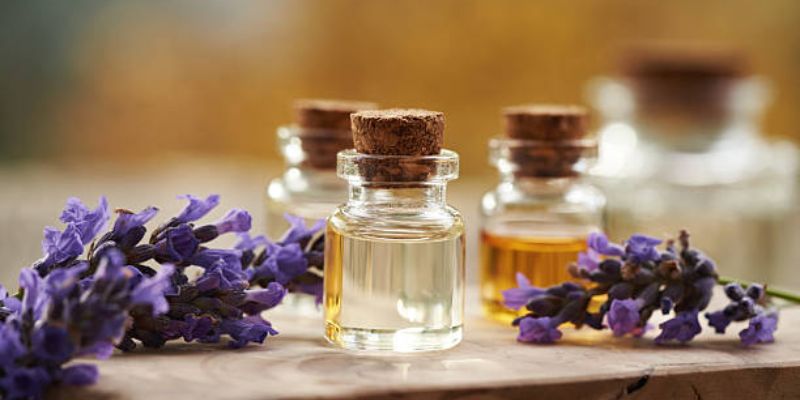
Lavender, rose, geranium, ylang-ylang, black pepper, and cinnamon are all common heart note ingredients. Some people find the heart note completely different from what drew them to the top and feel almost cheated. Others find that this is the moment they fall genuinely in love with a scent.
Base notes are also called soul notes. They bring depth and solidity to a perfume and consist of large, heavy molecules that evaporate slowly. These scents are typically rich and deep and are usually not perceived until 30 minutes after application or during the period of perfume dry-down.
Base notes last up to and in most instances over 6 hours on the skin and possibly even days on clothing. That scarf you pick up weeks later that still smells faintly like a perfume you once wore? That is all base note.
Common base notes include sandalwood, vetiver, amber, musk, vanilla, cedarwood, and oud. These ingredients are heavier and often warmer. They tend to feel intimate, close to the skin, which is why many people describe base-heavy fragrances as comforting or sensual.
Base notes provide longevity and serve as the anchor of the perfume. They give the fragrance its staying power and leave a memorable trail. A perfume with a weak base will not last the day regardless of how beautiful it smells on initial application.
This is the part most beginner guides skip, and it is genuinely fascinating. Your skin does not behave like a neutral surface. It reacts.
Each person's skin has a different pH balance, and when applying a perfume, this reacts with the pH level and oils in the skin, which determines how the fragrance smells on your skin. Some chemical reactions may cause floral perfumes to smell bitter or pungent, and citrus perfumes may smell overly sweet or sickly.
This is why the same perfume smells completely different on two people. It is also why you should always test fragrance on your own skin before purchasing, never on a blotter strip alone.
Blotter paper has no chemistry, no warmth, no oils. It will give you a reasonable preview, but it will not tell you what a scent becomes once it is actually living on you.
Oily skin, for the record, tends to hold fragrance longer. Dry skin absorbs it faster and may require reapplication.
Most people do this wrong. Spraying three different scents on the same wrist and smelling them all at once is not testing, it is noise. Here is a smarter approach.
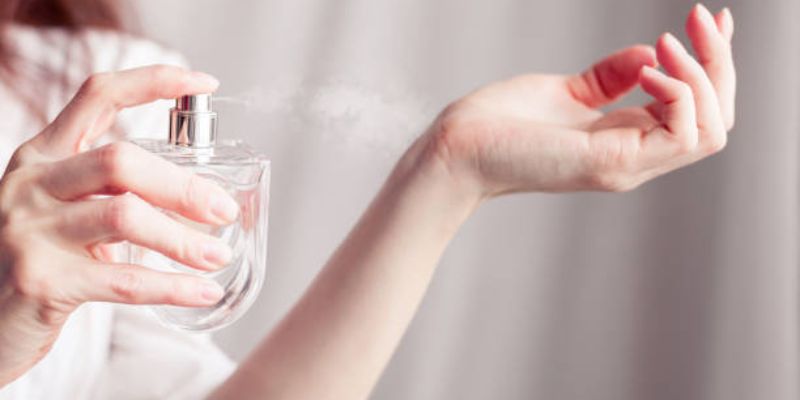
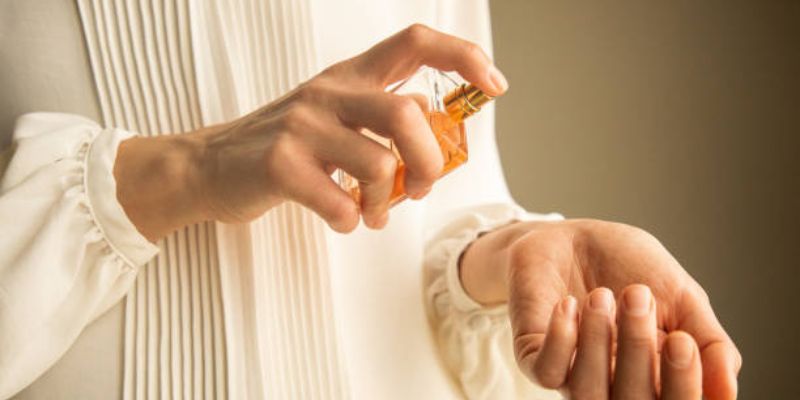
Spray once on your wrist or inner elbow. Wait 5 minutes to let the top notes settle. Smell again. Wait another 20 minutes and smell again. This is your heart note revealing itself. If you still like the scent at this stage, consider it a genuine candidate.
Using testing strips and skin together, revisiting at 10 minutes, 1 hour, and 6 hours, and keeping a fragrance journal to document impressions of top, middle, and base notes helps you recognize patterns over time.[3]
Limiting yourself to two or three fragrances per session also prevents olfactory fatigue, which is what happens when your nose stops distinguishing scents clearly after too much exposure.

Once you know what you respond to at each layer, selecting a perfume becomes much less random. Fresh citrus top notes appeal to people who want energy and brightness in the opening. Floral or spicy heart notes tend to suit those who want warmth and femininity or complexity. Woody, musky, and resinous base notes are for people who prioritize longevity and depth.
It is also worth thinking about occasion. A fragrance dominated by heavy base notes like oud or leather may feel overwhelming in a warm office. Something citrus-forward with a light musk base is a safer professional choice. Neither is objectively better, just more or less suited to context.
Many people now build what industry insiders are calling a scent wardrobe, rotating fragrances based on season, mood, and setting. Lighter citrus-led perfumes in summer, richer amber or vanilla-heavy options in cooler months. It sounds indulgent but once you start paying attention to how scent interacts with temperature and occasion, it becomes a genuinely enjoyable habit.
Take Chanel No. 5 as a well-known example. The top notes are aldehydic and citrus, famously bright and almost soapy on first spray. Within 20 minutes, a rich floral heart of rose and jasmine begins to dominate. Over the next few hours, the base of sandalwood, civet, and vetiver settles in, giving it that unmistakably deep, powdery warmth it has been famous for since 1921.
If you judged Chanel No. 5 purely from its first two minutes, you might find it cold or sharp. The full picture takes time.
That is true of most well-constructed fragrances. The patience to wait through the top notes into the heart, and then into the base, is what separates people who truly know what they like from those who are perpetually disappointed by what they buy.
Knowing how perfume notes work does not make you a perfumer. But it does make you a smarter buyer. You stop falling for marketing language and start trusting your nose at the right moment. You learn why a scent you loved in the store does not hold up the same way after an hour on your skin. And you start asking better questions, not just "do I like this" but "do I like all of this, over time, on me."
The fragrance industry is worth tens of billions of dollars built on impulse decisions made in the first ten seconds of testing. You do not have to be one of those numbers. Spray it, wait, and let the full picture develop before you commit.
References
[1] Grand View Research, Fragrance Market Analysis - https://www.grandviewresearch.com/industry-analysis/fragrances-market
[2] Charlotte Tilbury, What Are Fragrance Notes - https://www.charlottetilbury.com
[3] Eight and Bob, How to Identify Perfume Notes - https://eightandbob.com
Beauty
Beauty
Beauty
Beauty
Beauty
Beauty